Golf Carts
How to Buy a Used Golf Cart in 2026: The Checklist (and What Batteries Really Cost)
What to check before you buy a used golf cart, what a dead battery pack actually costs to replace, and whether to go lithium or lead acid.
Disclosure: E-Ride Deals earns commissions when you buy through links on this page, at no additional cost to you. As an Amazon Associate we earn from qualifying purchases. We only recommend products we believe are worth your money. Read our editorial standards →
Our picks
Best new alternative (budget lithium)
 7.8
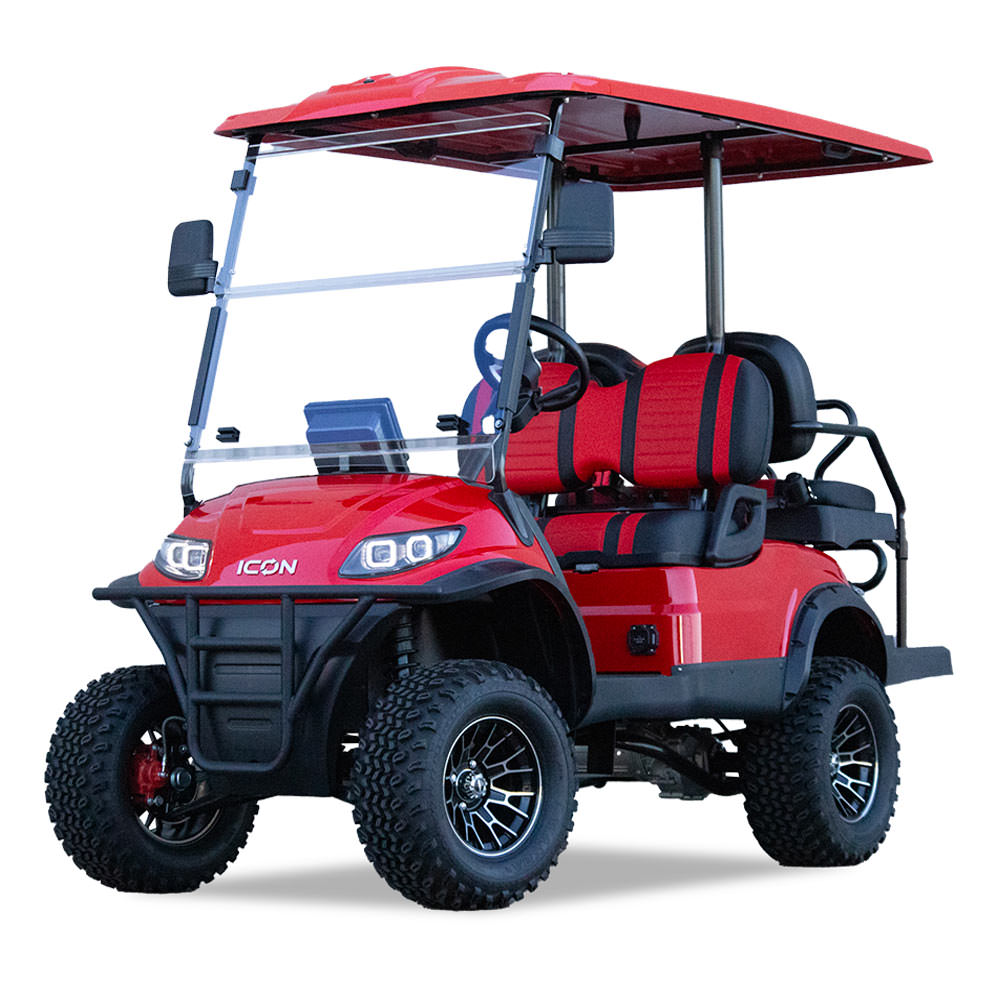
7.8 ICON Electric Vehicles
i40L (Lifted 4-Passenger)
Lifestyle buyers wanting a loaded 4-seat lifted cart with modern infotainment at sub-$14k.
If a clean used cart is hard to find, the Icon i40L is the value benchmark new: lithium, street-ready four-seater, warranty, and a known price instead of a private-seller gamble.
Best new alternative (name-brand reliability)
 7.2
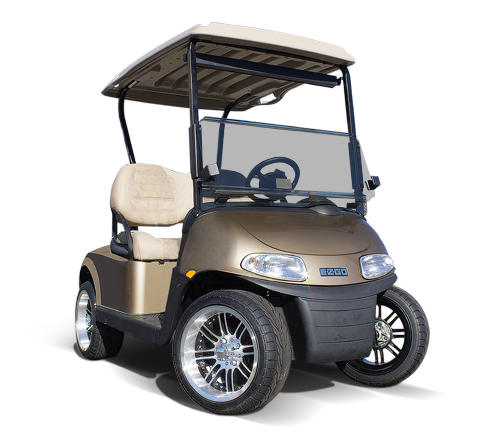
7.2 E-Z-GO
Liberty Lifted 4-Passenger ELiTE Lithium
Families in golf-cart communities who want forward-facing 4-passenger seating, a lifted stance, and an optional street-legal LSV trim.
EZGO and Club Car are the names used-buyers trust for parts and dealer support. If you want that peace of mind new, the EZGO Liberty is the easy pick.
Best new alternative (feature value)
 7.4
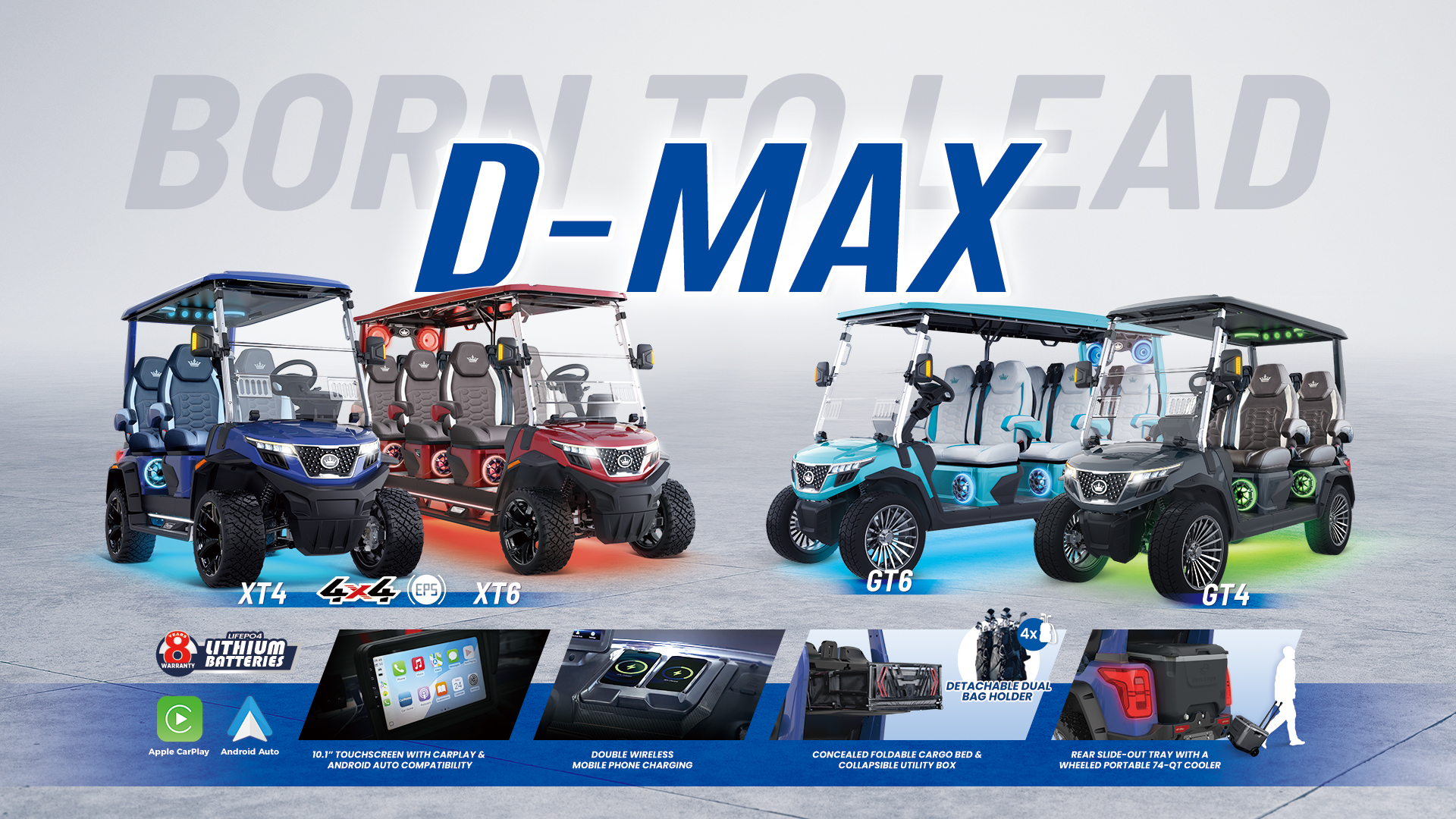
7.4 Evolution Electric Vehicles
Classic 4 Plus
Florida and community-cart buyers who want a popular lithium-powered 4-passenger family cart with touchscreen and stereo at an aggressive price.
Evolution's Classic 4 Plus packs lithium, a screen, and a long feature list at a price that competes with a good used cart plus a fresh battery pack.
The short version
Buying used saves real money, and the best deals do come from private sellers. But a golf cart is basically a rolling battery pack on a simple frame, so the whole game is checking the batteries first and the frame second. Get those right and a used cart is a great buy. Get the batteries wrong and you just bought a $1,000 to $4,000 surprise.
The used-cart checklist
Walk through this before you hand over any money.
Batteries first. Ask how old they are. Look for swollen or bulging cases, heavy white or green corrosion on the terminals, and, on lead acid, low water in the cells. Then drive it: it should hold a charge, accelerate cleanly, and not die on the first small hill. A sulfur or rotten-egg smell means cooked lead-acid cells. If the batteries are more than about four years old, assume you are buying a fresh pack soon.
Confirm the basics. The charger should be included and working, the serial number should match the paperwork, and the seller should be able to show they actually own it. These sound obvious, and they are exactly what stolen or problem carts fail.
Frame and wiring are walk-away checks. Structural rust, a visible water line inside the body, or a rat’s nest of aftermarket wiring are reasons to move on, not negotiate. Cosmetic scuffs are fine. Corroded structure is not.
Test everything on the drive. Acceleration, braking, steering, reverse, and hill performance should all feel consistent. Anything that surges, grabs, or hesitates is a controller or motor question you want answered before you buy.
What a battery pack actually costs
This is the number people forget, and it is why a “cheap” used cart is often not cheap.
A lead-acid replacement runs about $500 to $1,850 installed, depending on the pack and your shop. It is the low up-front option, but the batteries last only 3 to 5 years, you top off the water, and the cart loses pep as the charge drops.
A lithium (LiFePO4) replacement runs about $1,800 to $4,500 installed, but the pack lasts 8 to 12 years, weighs a fraction as much, holds near-full power until it is nearly empty, and needs no maintenance. A drop-in upgrade like the Vatrer 48V 105Ah kit, which comes with the matching charger, is the usual path.
Over a ten-year horizon the two often cost about the same once you count buying lead acid two or three times. So the real question is not price, it is whether you would rather pay less now and deal with it again in a few years, or pay more once and forget about it.
When buying new makes more sense
Sometimes the used market is picked over, or every clean cart already needs a battery, and the math tips toward new. If it does, the models below are the ones to know: a known price, a warranty, and lithium already installed, instead of a private-seller gamble. You can compare the full lineup in our golf cart listings.
The bottom line
Check the batteries, check the frame, confirm the charger and paperwork, and drive it hard for a few minutes. Do that and a used Club Car, EZGO, or Yamaha is one of the best value buys in the electric-ride world. Skip it, and you will meet the battery bill the hard way.
Frequently asked questions
What is the single most important thing to check on a used golf cart?
Lead acid or lithium for a golf cart?
Which used golf cart brands are the safe bets?
How much does it cost to convert the rear seat back to golf bag holders?
Gas or electric for a used cart?
Sources
Every claim in this guide that isn't first-person experience is traceable to one of the sources below. URLs verified at publication; some may rot. Let us know if so.
- Buying a Used Golf Cart: What to Look For Checklist — Golf Cart Search, 2026Source for the used-cart inspection checklist and battery warning signs.
- Golf Cart Battery Replacement Cost Guide (2026) — Golf Energy, 2026Lead-acid and lithium replacement cost ranges and labor figures.
- Golf Cart Batteries Replacement Cost in 2026 — Vatrer Power, 2026Lead-acid vs lithium lifespan and cycle-life comparison.
- Gas vs Electric Golf Cart: Full 2026 Comparison — EA Carts, 2026