Golf Carts
Gas vs Electric Golf Cart in 2026: Which Should You Actually Buy?
Gas or electric golf cart? The real differences in cost, range, maintenance, and noise, and a simple rule for picking the right one for how you drive.
Disclosure: E-Ride Deals earns commissions when you buy through links on this page, at no additional cost to you. As an Amazon Associate we earn from qualifying purchases. We only recommend products we believe are worth your money. Read our editorial standards →
Our picks
Best electric value (if you go electric)
 7.4
7.4 Evolution Electric Vehicles
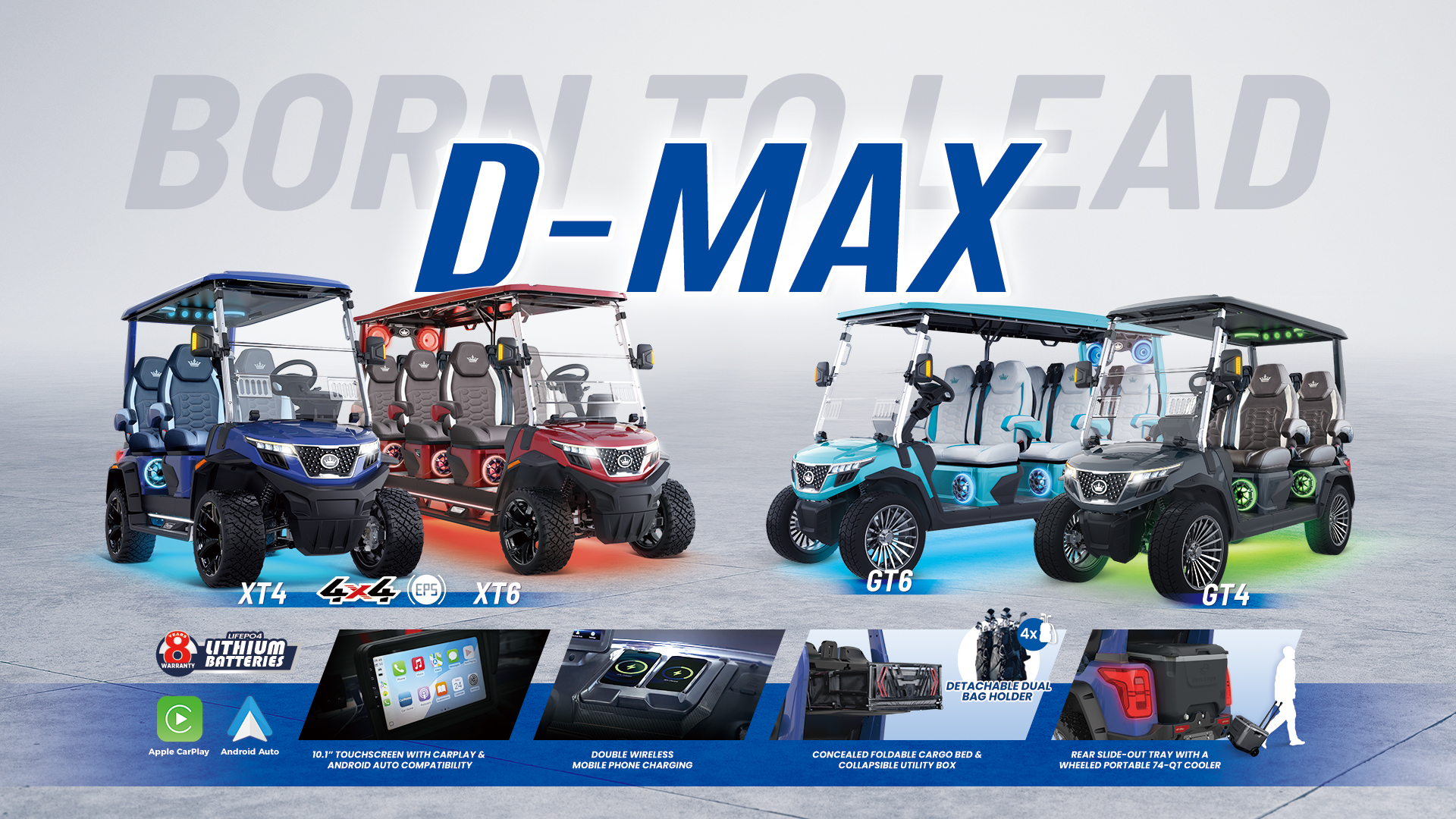
Classic 4 Plus
Florida and community-cart buyers who want a popular lithium-powered 4-passenger family cart with touchscreen and stereo at an aggressive price.
For most buyers, electric is the answer, and the Classic 4 Plus is the easiest way in: a lithium four-seater with a touchscreen and strong warranties at the lowest price in the segment. No oil, no spark plugs, near-silent, and cheap to charge.
Best electric for street driving
 7.6
7.6 ICON Electric Vehicles
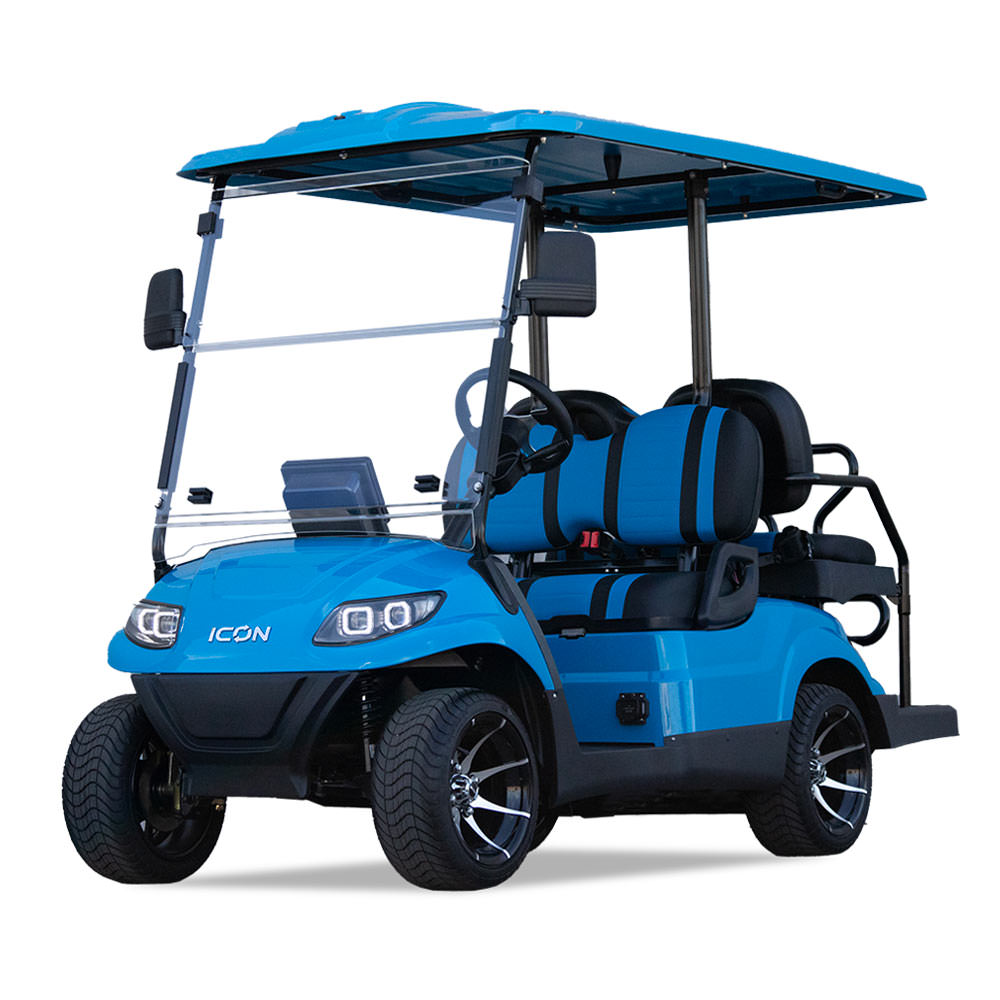
i40 (4-Passenger LSV)
LSV-state buyers wanting a feature-loaded street-legal 4-passenger neighborhood cart with touchscreen, camera, and full lights from the factory.
If you want to run errands on neighborhood roads, the i40 comes street-legal from the factory with a 51V lithium pack and up to about 50 miles of range, which covers a round of golf plus daily driving without a gas engine to maintain.
The short answer
Buy electric unless you regularly drive long distances, work in rough terrain with heavy loads, or cannot charge overnight, in which case gas earns its keep. Electric is now about 80 percent of new golf cart sales for good reason: it is quieter, cheaper to run, and needs far less maintenance. Gas is the specialist choice for range and refueling speed.
A simple rule
If you can plug in overnight and your driving is neighborhoods, golf, and errands, go electric. If you routinely cover many miles between stops or run heavy loads far from an outlet, go gas. That one question, “can I conveniently charge, and how far do I really drive,” decides it for most people.
Cost: electric wins day to day
A charge on a 48V system costs about $0.50 to $1.00, so typical monthly charging runs $10 to $20, well under a gas cart’s fuel bill. Maintenance widens the gap: electric skips oil changes, spark plugs, and fuel filters entirely. The one meaningful electric cost is the battery pack, replaced every 5 to 10 years for roughly $500 to $1,850 (lead acid) or $1,800 to $4,500 (lithium), and lithium packs last the longest. Over five years, most electric owners spend less on upkeep, especially with lithium.
Range and refueling: gas wins on paper
Gas goes farther per fill and refuels in a minute: 100 to 120 miles on a 4 to 6 gallon tank. A standard 48V electric cart does 25 to 40 miles per charge, and a modern lithium pack stretches that to 40 to 60-plus, which covers a round of golf plus errands. Charging takes 4 to 8 hours, but overnight that is effectively zero downtime. Range only wins the argument if you actually drive far between charges.
Noise, power, and emissions: electric is nicer to live with
Electric carts are near-silent, which is why retirement and residential communities favor them, and their instant torque makes them feel spritely off the line. They produce zero emissions and no fumes. Gas carts are louder, smell like fuel, and vibrate more, though they deliver steady power regardless of battery age. For a cart parked in a garage and used around a neighborhood, electric is simply more pleasant.
The bottom line
For most people in 2026, electric is the better buy: cheaper to run, quieter, lower maintenance, and plenty of range if you can charge overnight. Gas remains the right call for long-distance, heavy-load, or off-grid use where refueling speed and sustained power matter. Decide how you actually drive, then pick the drivetrain that fits, and if you land on electric, compare the full lineup in our golf cart listings or start with our used golf cart buying guide if you are shopping the second-hand market.
Frequently asked questions
Is a gas or electric golf cart better?
What is the range difference between gas and electric?
Which is cheaper to own, gas or electric?
How long does it take to charge an electric golf cart?
Are electric golf carts good for hills and heavy loads?
How long do golf carts last?
Sources
Every claim in this guide that isn't first-person experience is traceable to one of the sources below. URLs verified at publication; some may rot. Let us know if so.
- Gas vs Electric Golf Cart: Full 2026 Comparison Guide — EA Carts, 2026Range, cost, maintenance, and use-case comparison.
- Gas vs Electric Golf Cart: Pros, Cons, Speed and Cost (2026) — Golf Cart Search, 2026Operating cost, charging time, and range figures.
- Gas vs. Electric Golf Carts — Progressive, 2026Neutral overview of trade-offs and ownership costs.